Paintless dent repair (PDR) can fix a lot of dents, but not every dent. Knowing the difference is one of the most important skills in the trade, and it's the first question a good technician answers before touching a panel.
Here's a plain-English look at what PDR does well, where it stops, and how that decision gets made.
How PDR Works
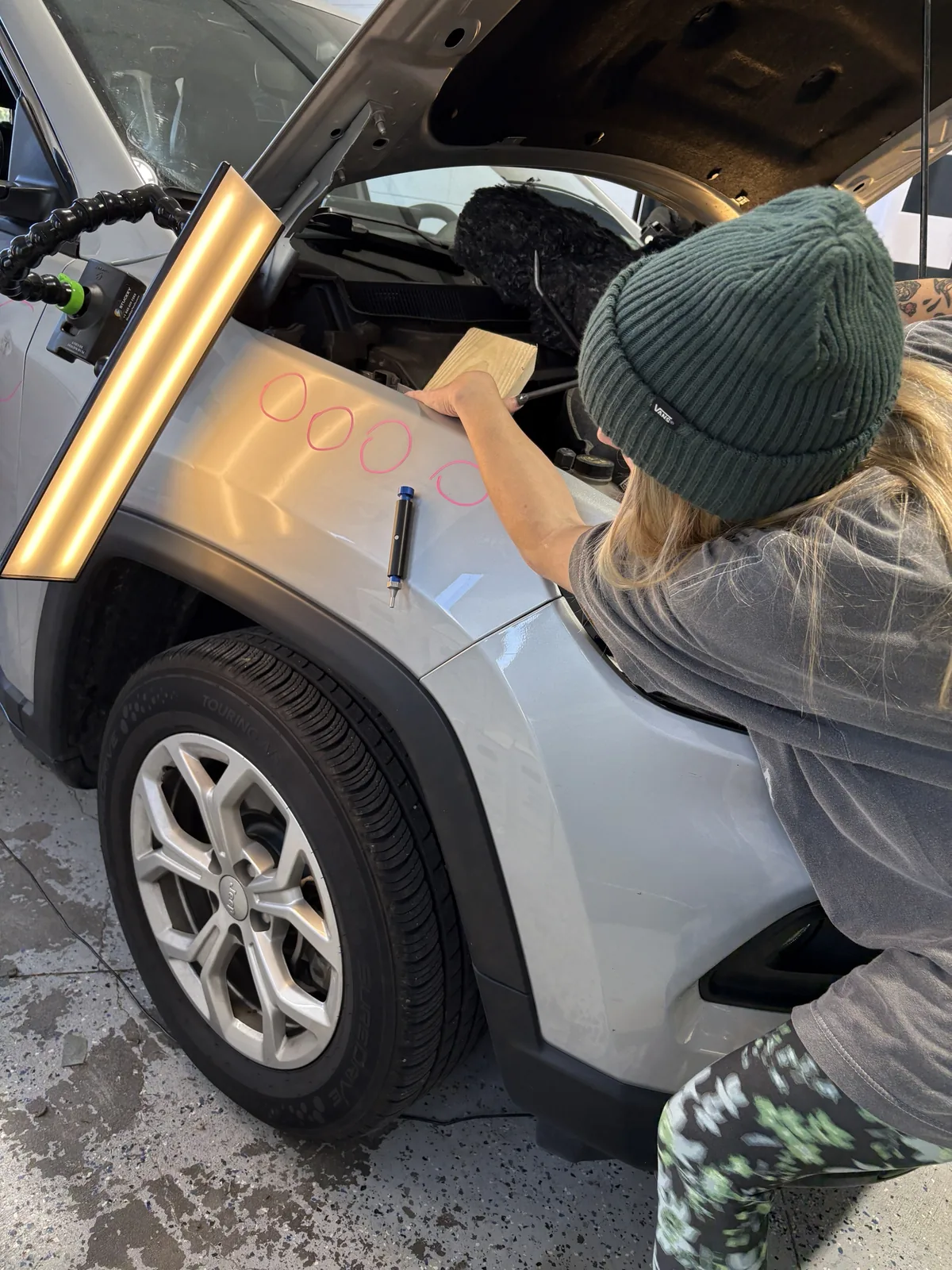
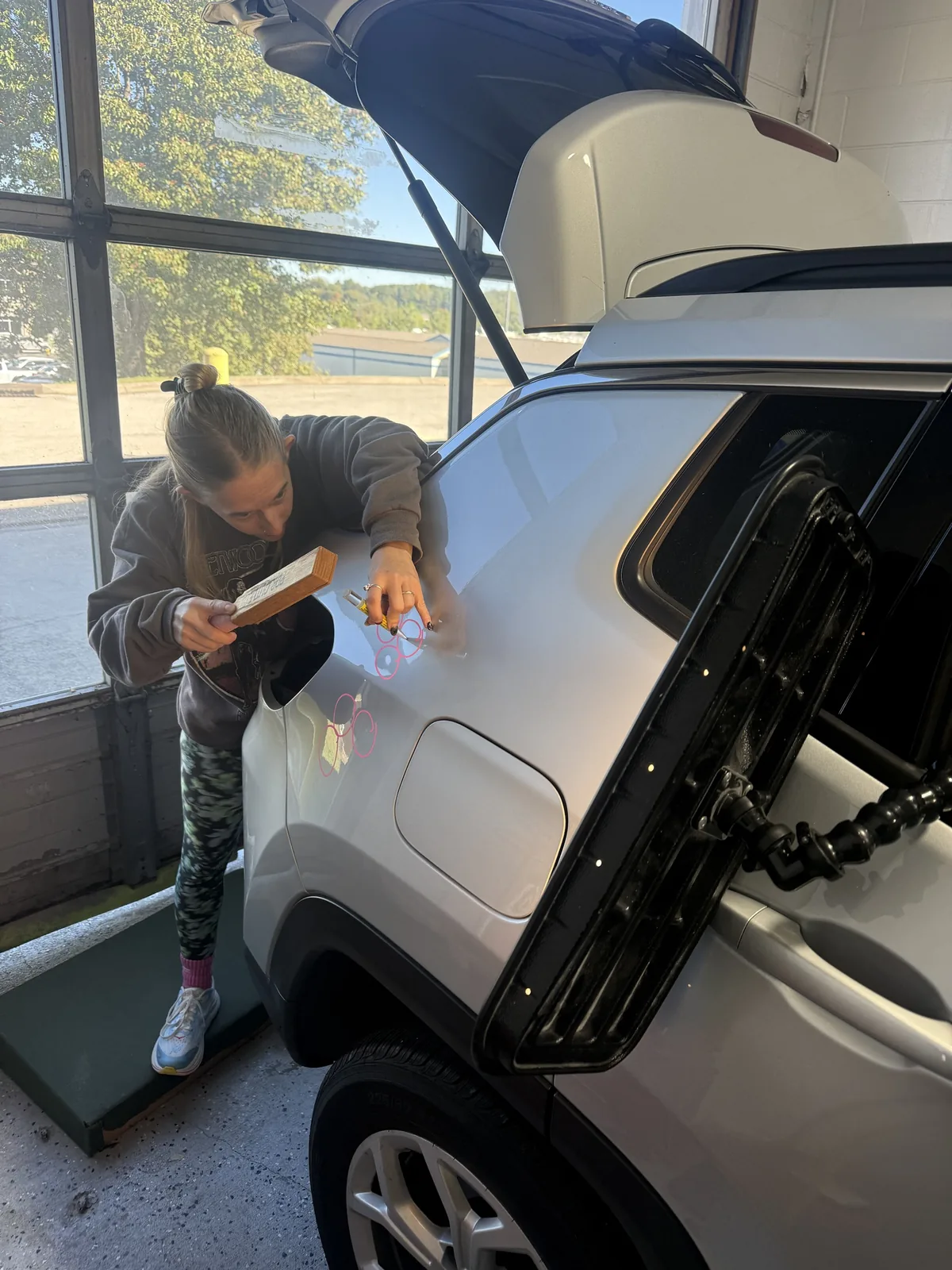
PDR gently works dented metal back toward its original shape from behind the panel, or sometimes from the outside with glue pulling. Because the factory paint is never sanded, filled, or repainted, the repair is only possible when the paint is still in good condition.
Dents PDR Is Usually Good For
- Door dings and parking lot dents. Small to medium round dents are the classic PDR repair.
- Hail damage. Many small dents spread across a hood, roof, and trunk lid can often be repaired without repainting.
- Shallow creases. Some light creases respond well, depending on how the metal has moved.
- Dents with intact paint. If the paint isn't cracked, chipped, or flaking, the finish can often stay as it is.
- Dents where a tool can reach. Access behind the panel, or a good spot for a glue pull, makes the repair possible.
Dents That May Not Be a PDR Fit
- Cracked, chipped, or peeling paint. If the paint is already broken, the panel will likely need traditional body work.
- Very sharp or deep creases. When the metal has been stretched too far, it may not return cleanly.
- Damage on the edge of a panel. Edges are stiffer and harder to work.
- Limited access. Some areas are blocked by bracing or double-layered panels, which can limit what's possible.
- Heavily stretched metal. A dent that has pulled the metal out of shape may need filler and paint.
A good technician will tell you honestly when a dent isn't a PDR candidate instead of attempting a repair that won't hold up.
What Makes One Dent Easier Than Another
Several things change how a repair goes:
- Size and depth. Shallow, round dents are usually easier than deep, sharp ones.
- Location. Flat areas are more forgiving than body lines and edges.
- Panel material. Steel and aluminum behave differently, and aluminum often takes more experience.
- Access. What the technician can reach decides which tools and methods are possible.
Why This Matters if You Want to Learn PDR
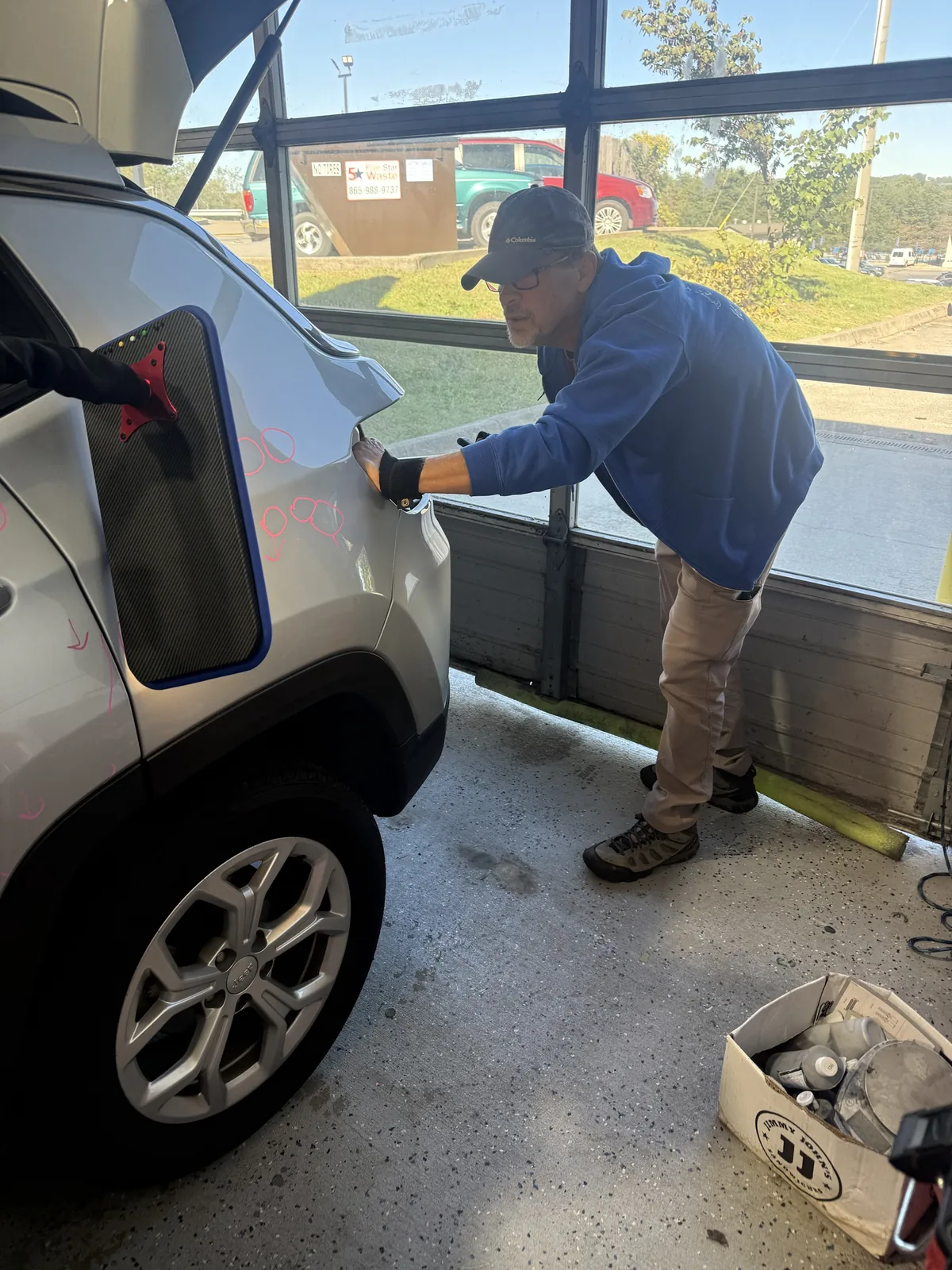
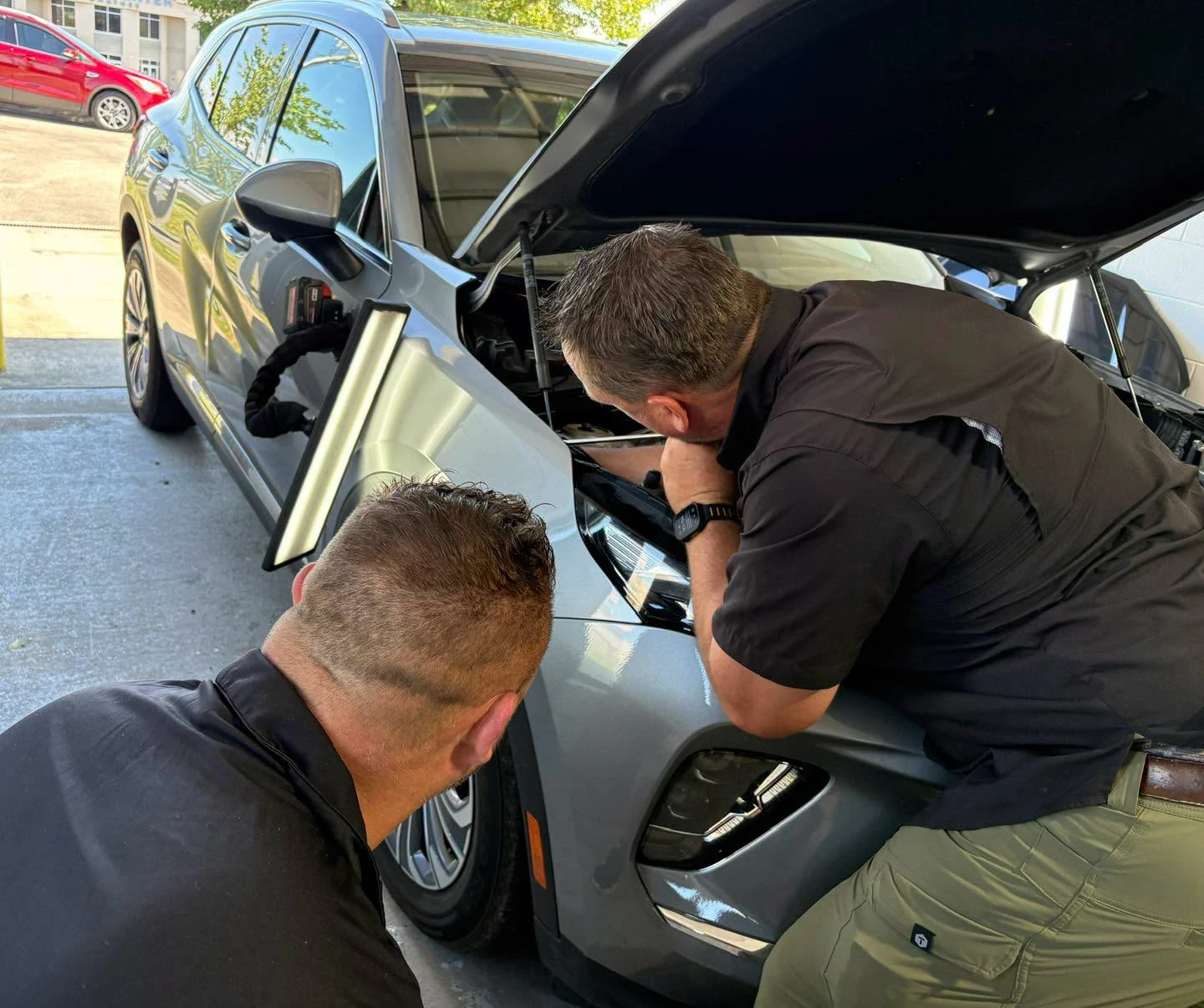
Judgment is part of the craft. Knowing when a dent is a good PDR candidate, and when it isn't, comes with experience, and it's one reason hands-on instruction matters. An instructor standing next to you can look at the dent in front of you and explain why it's a good candidate or why it isn't.
That judgment builds on the fundamentals. If you're newer to the trade, start with is paintless dent repair hard to learn.
Then see what tools you need to start paintless dent repair.
Learn PDR at Dent College
Dent College teaches Paintless Dent Repair in person in Knoxville, Tennessee, with a maximum of four students per class. In our 10-day program, you work on real panels with an instructor beside you, and you take home a professional PDR tool set, a durable case, and an LED light.
Income varies by individual, market, and business. Dent College does not guarantee employment or any specific earnings.