When a car picks up a dent, there are usually two broad ways to fix it: paintless dent repair (PDR) or traditional body work. They solve the same problem in very different ways, and understanding the difference helps you see where PDR fits in the trade.
Here's a plain-English comparison of the two, and why people exploring a new skill often take a closer look at PDR.
How Traditional Body Work Fixes a Dent
Traditional collision repair usually starts by reshaping the damaged panel, then building the surface back up so it's smooth again. Depending on the damage, that can involve sanding the paint, applying filler, priming, repainting, and blending the new paint into the surrounding panels. It's a multi-step process, and it's the right answer for many kinds of damage.
How PDR Works Differently
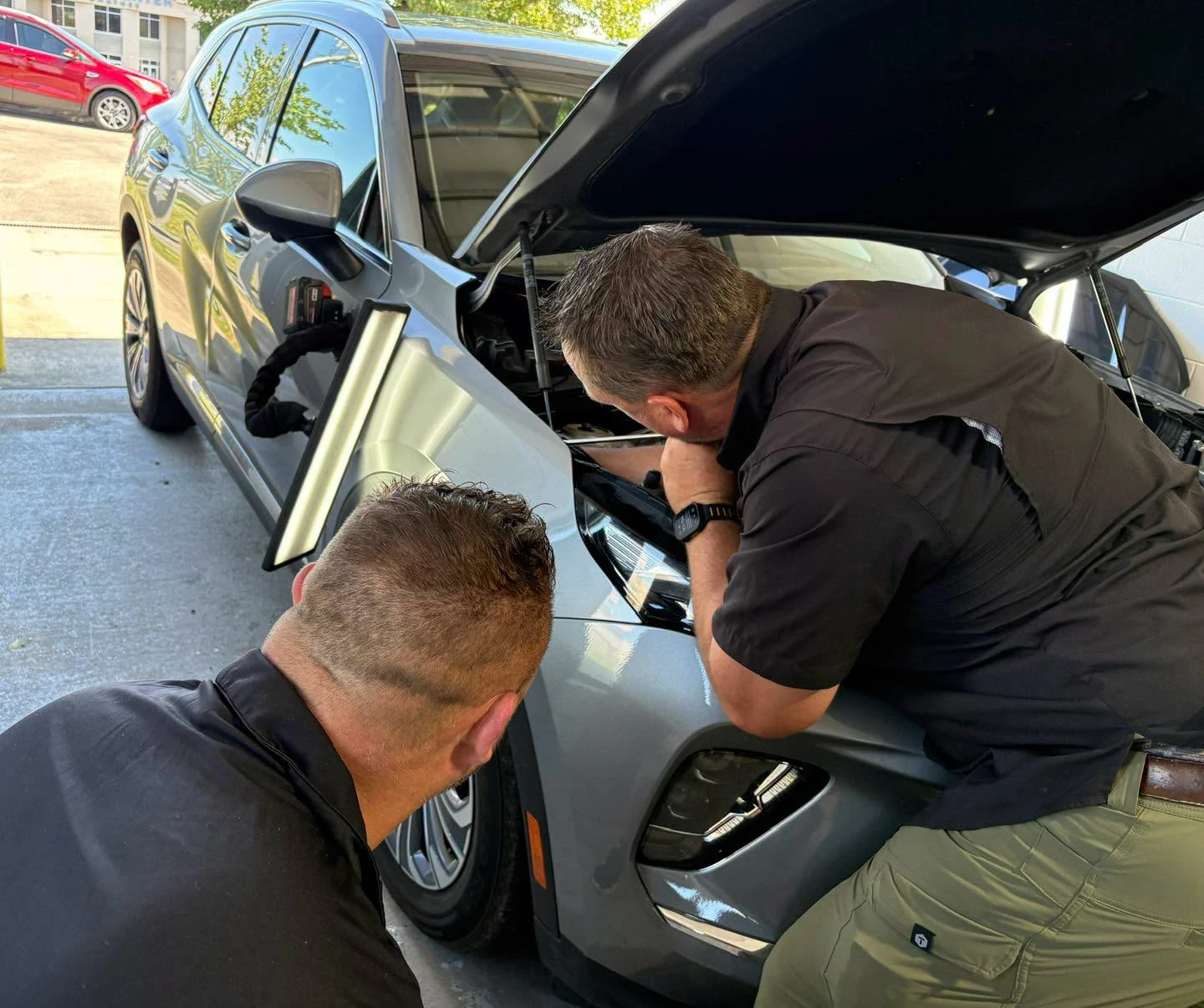
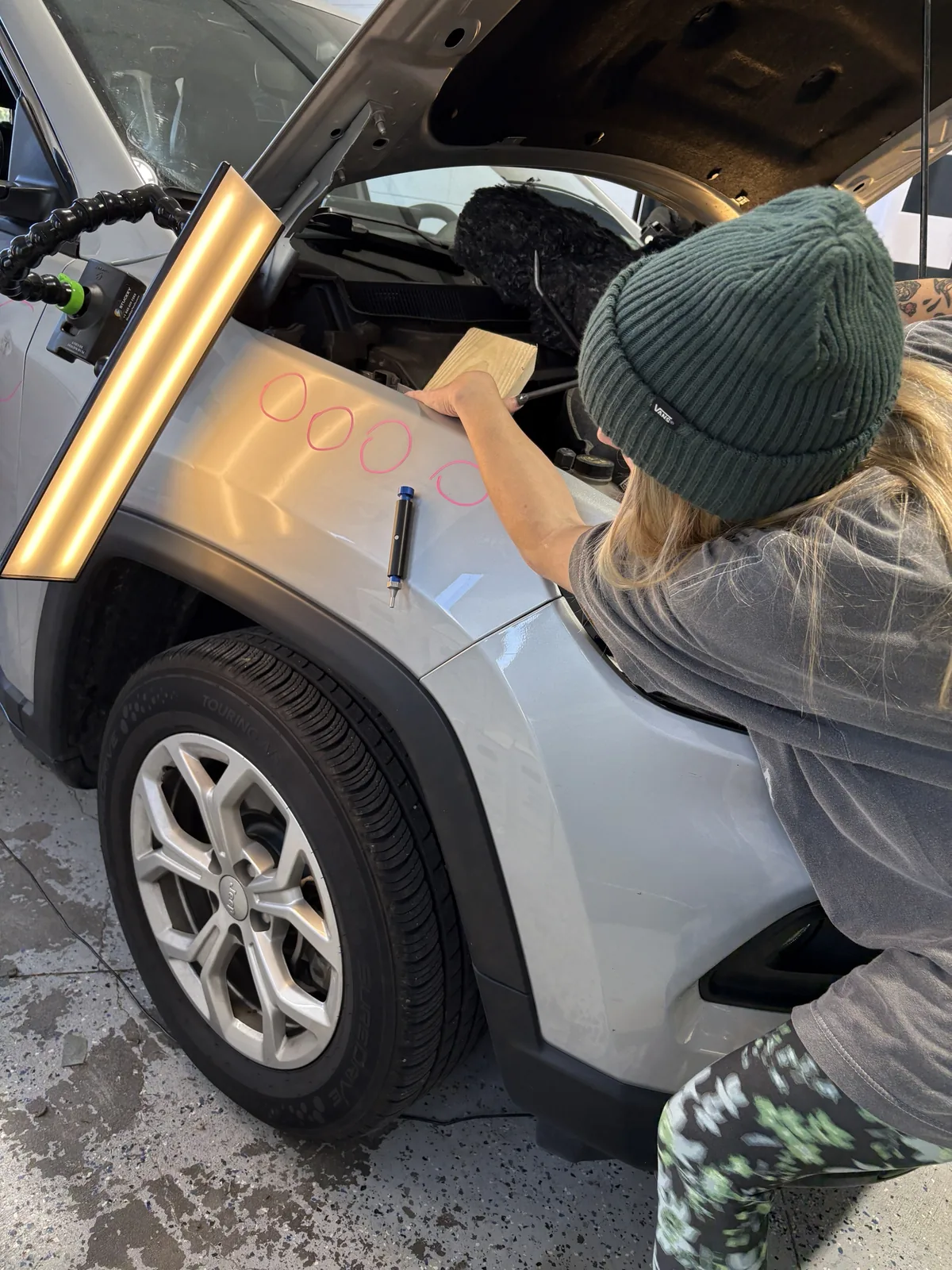
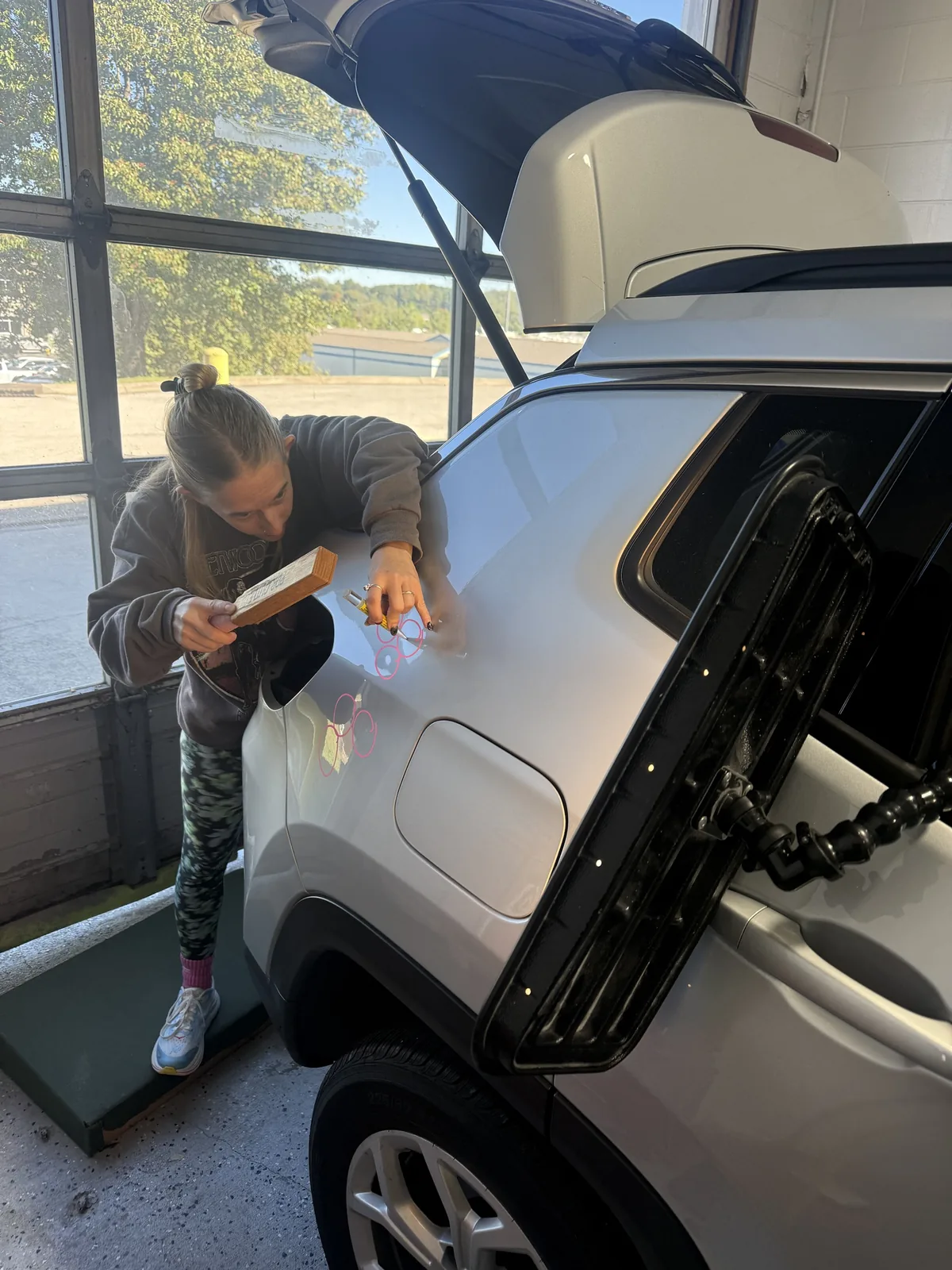
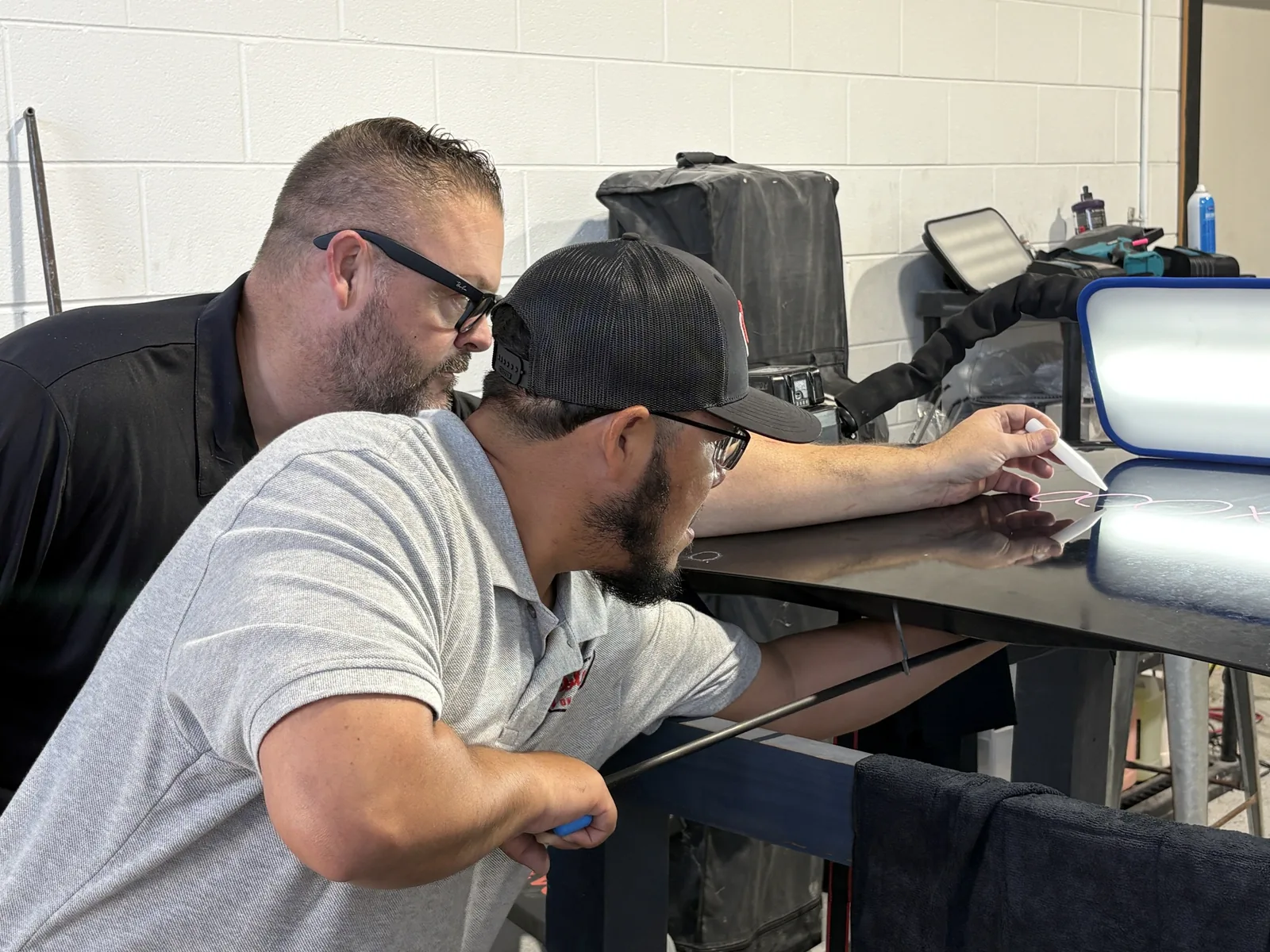
PDR skips the refinishing steps. A technician works the metal back toward its original shape, usually from behind the panel with specialty rods or from the outside with glue pulling, while reading the reflections from a PDR light to see what the surface is doing. When the paint is intact, the factory finish stays on the vehicle.
The Key Differences
- Paint. PDR keeps the original finish when the paint is intact. Traditional body work usually involves refinishing.
- Materials. PDR relies mostly on tools and skill. Body work typically uses filler, primer, and paint.
- Steps. PDR is usually a shorter process. Body work involves more stages, including time for materials to dry or cure.
- Equipment and space. PDR can often be done with a portable tool set and a good light, which is one reason some technicians work mobile. Body work generally calls for a shop environment.
- Types of damage. PDR suits dents where the paint is intact. Body work handles damage PDR can't, such as cracked paint, torn metal, or major collision damage.
They're Not Rivals
PDR and traditional body work aren't really competing. They complement each other. A good technician is honest about which one a dent actually needs, instead of forcing a repair that won't hold up.
In a shop that offers both, dents with intact paint can go to a PDR technician while heavier damage goes to the body side. Knowing where that line falls is a big part of the craft.
What This Means If You're Considering PDR
PDR is a hands-on skill built on judgment and touch rather than a long list of materials. That makes it appealing to several kinds of people:
- Body shop technicians who want to add a service to the work they already do.
- Detailers who want to offer more to their customers.
- Career changers looking for a skilled trade.
- Veterans moving into a new career.
- Entrepreneurs interested in building their own mobile business.
Not every dent qualifies for PDR. To see where the line usually falls, read what dents paintless dent repair can fix.
Learn PDR at Dent College
Dent College teaches Paintless Dent Repair in person in Knoxville, Tennessee, with a maximum of four students per class. In our 10-day program, you work on real panels and vehicles with an instructor beside you, and you take home a professional PDR tool set, a durable case, and an LED light. Students arrange their own travel and lodging.
Income varies by individual, market, and business. Dent College does not guarantee employment or any specific earnings.